The Fear Every Creative Teacher Has About YouTube (And Why It's Backwards)
 Beth Ann Williams
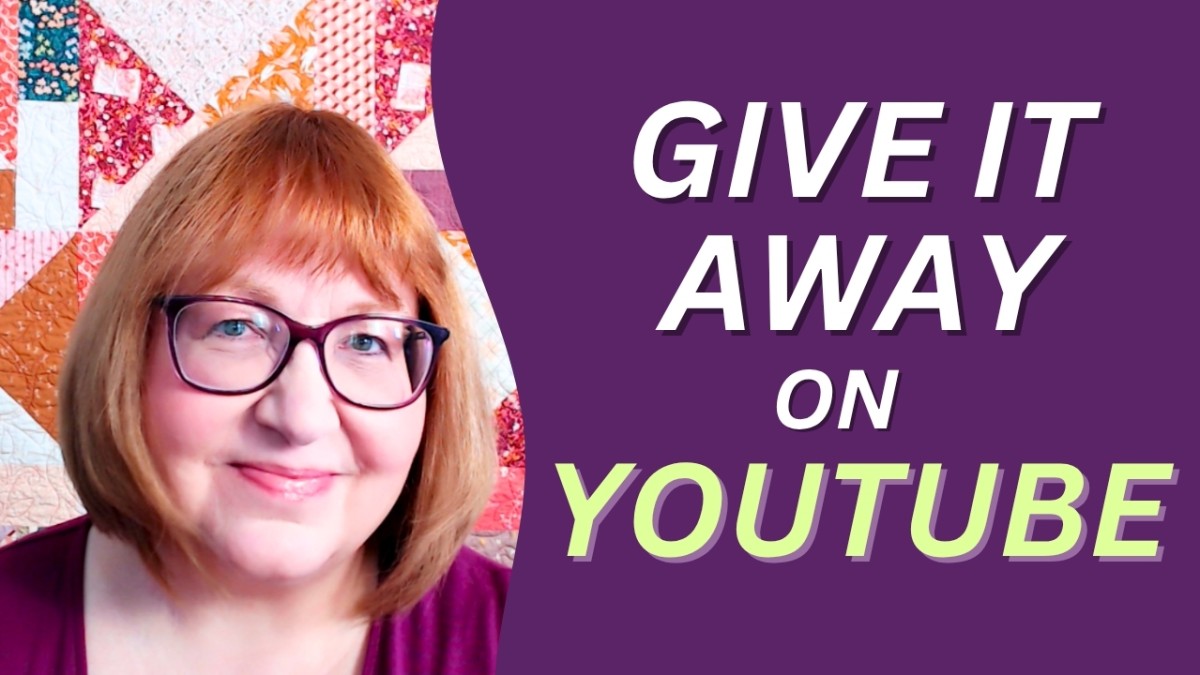
Every creative teacher I know has asked some version of the same question. If I teach it all on YouTube for free, why would anyone pay for my course?
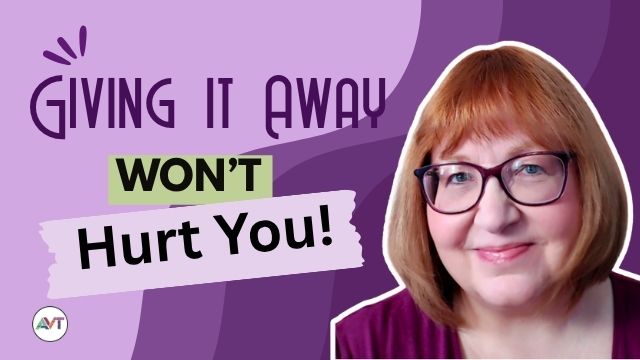
The fear of giving away too much on YouTube kept me from posting for years. It's the reason so many talented teachers I work with have a YouTube channel sitting untouched, or never started one at all. So when Beth Ann Williams joined me on Creatives on Camera, I wanted her straight answer. What she told me flipped the whole question on its head.
Why Beth Ann Walked Away From Instagram and Facebook
Before we get to the free content question, it helps to understand why Beth Ann built her YouTube channel in the first place.
For years, Instagram and Facebook were her front door. They brought people into her classes, onto her email list, and into her events. It worked well, until it didn't.
Reach dropped. Posts got harder to see. The platforms she'd relied on for so long became unreliable overnight. She needed a new way for her people to find her, and for her to find them. YouTube became that place, and she's built it into one of the best decisions she's made in her business since she started teaching in 1995.
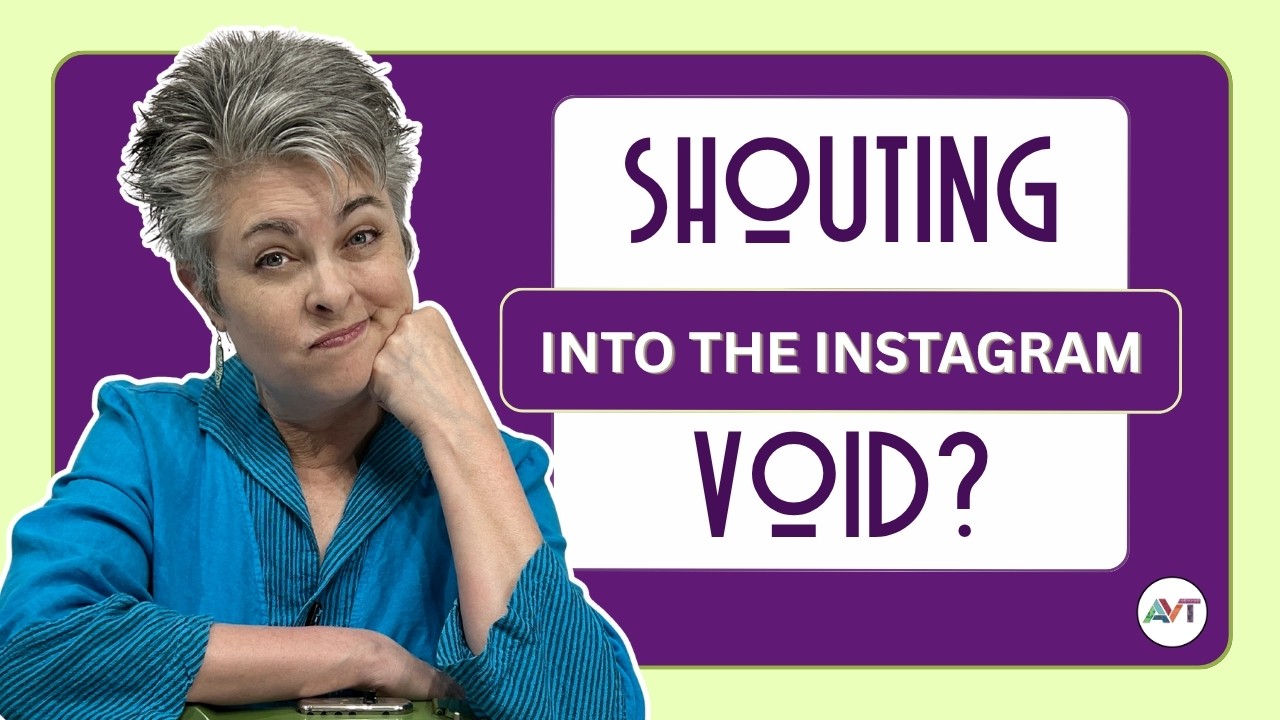
If your social feeds have started to feel like shouting into a room nobody's in, you're not imagining it, and you're not the only one.
A Pace You Can Actually Keep Up With
The second thing standing between most creative teachers and a YouTube channel is the belief that it demands daily content.
Beth Ann's own channel proves otherwise. When she was in building mode, she posted one long video and one short a week. Once she had a solid library of evergreen content behind her, she pulled back to one long video every two weeks.
YouTube isn't looking for constant output. It's looking for a cadence it can count on. Whether that's weekly or biweekly depends on what you're making and what your life actually has room for. A schedule you can sustain for years beats a schedule that burns you out in three months, every time.
The Permission to Give It All Away
Here's where Beth Ann's answer surprised me. Giving real, complete, valuable content away for free doesn't cost you students. It's what earns their trust in the first place.
She used a comparison that stuck with me. Think about how you find new music. You stream a band's entire catalog for free, every song they've ever released. But when they come through your city, you still buy the concert ticket. That's not because the free version was incomplete. It's because the concert is a different experience entirely.
A course works the same way. Even if a technique is technically available somewhere on your channel, most people don't want to hunt it down and piece it together themselves. They want the guided version, with your feedback built in and the questions answered along the way.
Beth Ann practices this on her own channel. When she promises to teach something, she teaches the whole thing. Nothing held back, nothing left incomplete just to nudge people toward a sale. Her paid courses and coaching go deeper into implementation and your specific challenges, but the free content is never a watered down version designed to leave you wanting.
Some viewers will only ever watch the free videos, and that's fine. Others will download a lead magnet and disappear for years before they're ready to buy. Beth Ann has students who took three or four years to become paying customers after that first free download. This system rewards patience, not speed.
Where the Real System Lives
This is the piece that ties everything together, and it connects directly to something Beth Ann wrote about recently on her own blog: the difference between growing a channel and growing a business.
YouTube's job was never to sell your course directly. Its job is to help the right people find you, then invite them onto your email list, where the real relationship happens. I've watched this work firsthand. After restarting a dormant channel using Beth Ann's framework, tightly focused on one audience instead of trying to speak to everyone, I started seeing cold leads within weeks. People who had never heard of the Academy for Virtual Teaching found me on YouTube and landed on my email list, simply because the channel was built with intention instead of guesswork.
Ready to Build Something That Actually Works for You
If the fear of giving too much away has been holding your channel back, or you're not sure how to turn viewers into an actual audience that supports your business, this is exactly what Beth Ann teaches inside YouTube for Audience Growth: Connect, Build & Grow. Her own post walks through the full curriculum for this fall's session, including a dedicated implementation week where you work directly on your channel instead of just taking in more information.
Registration for the live cohort just opened, and it only runs a couple times a year.
Register here: YouTube for Audience Growth
Find Beth Ann Williams at Beth Ann Williams Quilts:
Website: Beth Ann Williams Contemporary Quilting & Fiber Art, LLC Shop: shop.bethannwilliams.com
YouTube: @BethAnnWilliamsQuilts
LinkedIn: linkedin.com/in/beth-ann-williams
Instagram: @bethann.williams
Facebook: Beth Ann Williams Contemporary Quilting & Fiber Art
If you missed registration, join the Academy for Virtual Teaching newsletter, and you'll hear the moment it opens again
Never stop creating.
YouTube full conversation:
Categories: : Podcast