Showing Is Better Than Telling: How One Craft Teacher Reached the World
 Lyric Kinard

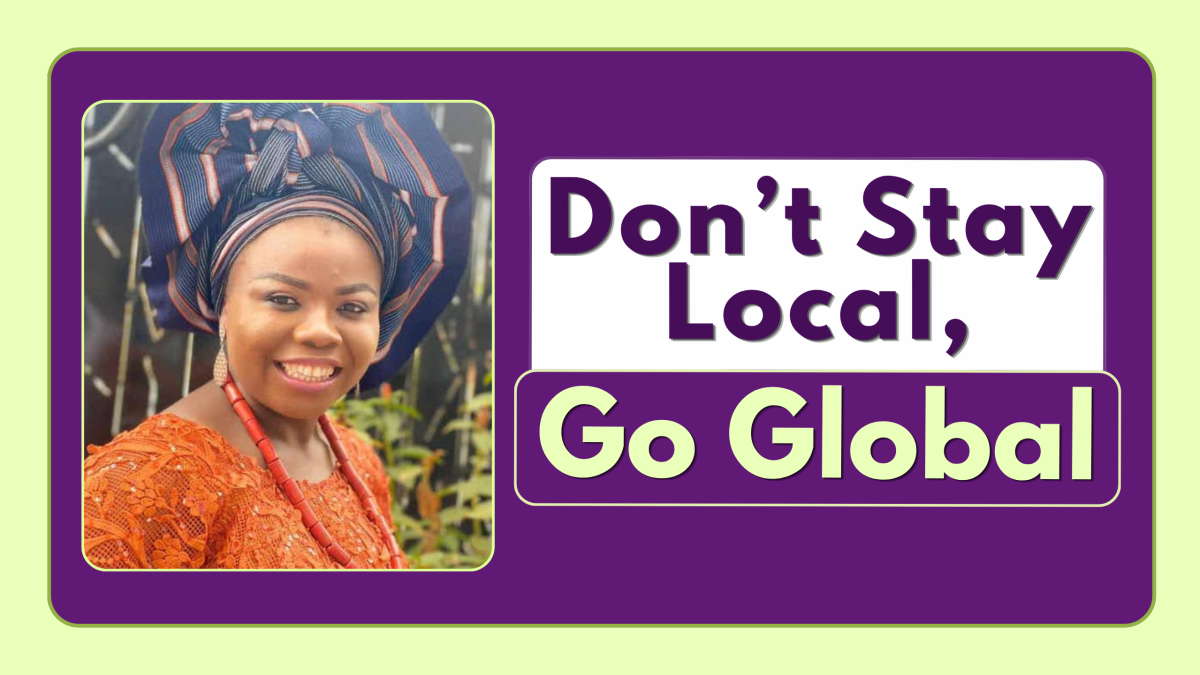
Elizabeth started by teaching a handful of children to knit in Lagos. Now she’s taught more than 5,000, written books, and reached students on five continents. Here’s how she did it, starting with one
How do you find students for your craft classes when your reach feels small? You show your work where the right people are already searching, instead of waiting to be discovered. That is how one knitting teacher in Lagos, Nigeria went from zero students to more than 5,000 children taught, books, and a global stage. Here is what she did, and what it means for you.
You are good at what you do. The people in your town know it. Your students rave about you. But your reach stops at the edge of your zip code, and somewhere in the back of your mind is a bigger dream you are not sure you are allowed to have.
Elizabeth Okeyele-Olatunji had that dream too. She started by teaching a handful of children to knit and crochet in Lagos, Nigeria. Today she has taught more than 5,000 children, she speaks on stages around the world, she has written three books with a fourth on the way, and she is working toward reaching 20,000 children across Africa. She did not get there with a big budget or a film crew. She got there with a willingness to show her work and put it where people could find it.
Why showing your work beats telling people about it
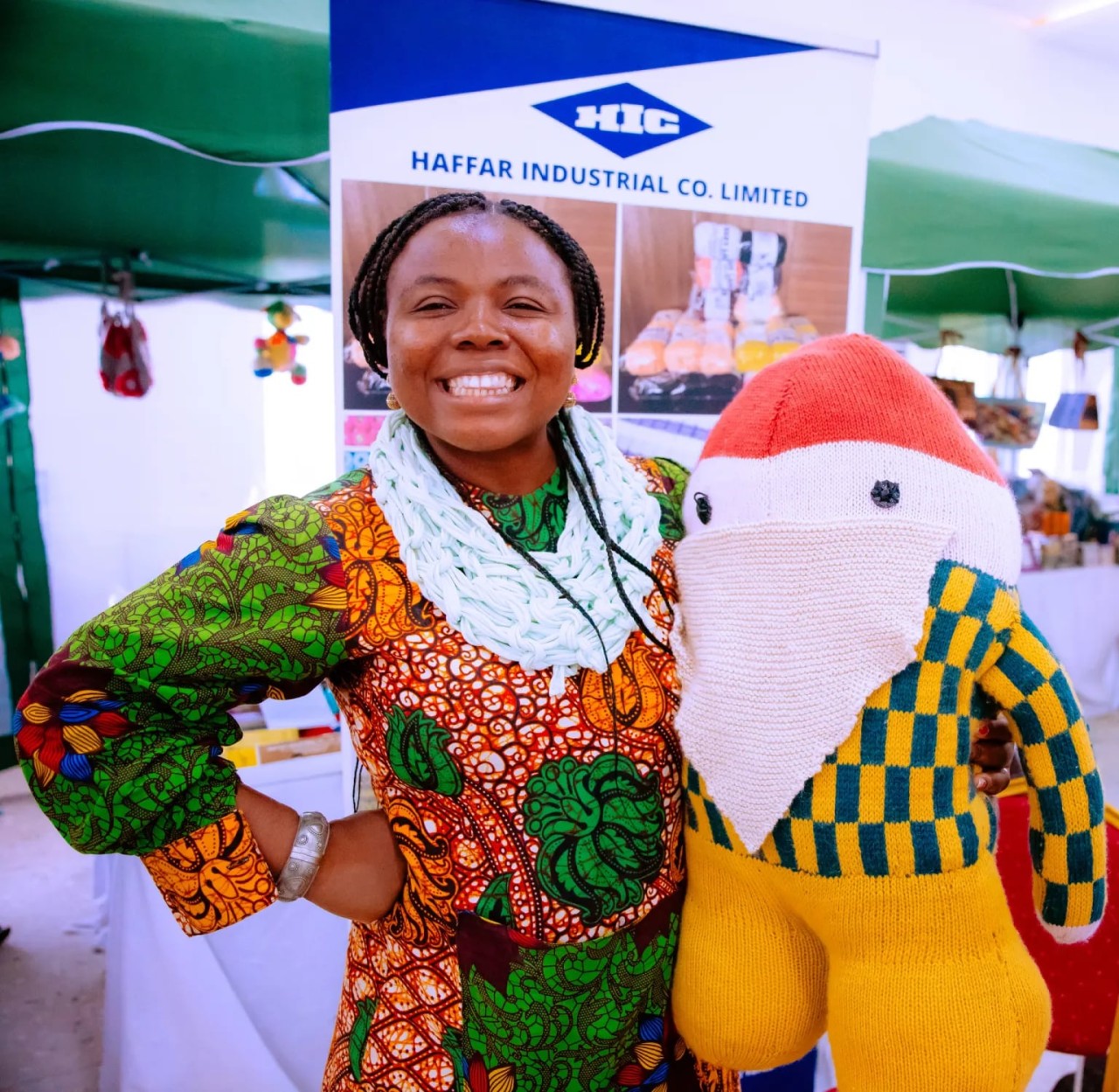
When Elizabeth first tried to find students, two years went by and not one parent handed her a child to teach. Then a mentor gave her one piece of advice that changed everything. When it comes to craft, showing is better than telling.
So she made a teddy bear, carried it into a school, and held it up. This is the work of my hands. I can teach your children to do this. That was her breakthrough. The parents did not need a sales pitch. They needed to see the thing.
If you teach something visual, and almost every craft is, this is the most important lesson in the whole conversation. Your words on a sales page matter. The thing in your hands matters more. A finished piece tells the whole story in a single glance, in the time it takes someone to look. You do not have to explain it. You just have to show it.
How do you reach students outside your local area?

For years, Elizabeth taught in person, school by school. Then one school owner saw her work on Instagram and flew her across the country to train teachers. She got off that plane with a new thought. If one person could call me and pay to fly me out, someone else can too.
That is the quiet turning point in every story like hers. Not a viral moment. A single piece of proof that the work can travel. Once she believed it, she started saying yes to virtual talks and online teaching, and her students showed up from the UK, the US, Canada, Australia, Greece, Poland, places she had never set foot.
You do not need thousands of followers to reach the world. You need your work in a place where one right person can find it.
Why is YouTube better than Instagram for teachers who want to be found?
Elizabeth learned something the hard way. She built an Instagram following over twelve years, and then an algorithm change wiped it out and she had to start over from zero.
So she thinks about YouTube differently. YouTube is a search engine. When you title your videos around the questions people actually type, how do I learn to make this, your work keeps getting found long after you post it. It is evergreen. People discover you while they are looking for the exact thing you teach. And you own more of that content than you do a social feed that can vanish overnight.
This is not a reason to abandon Instagram or Facebook. They matter. But if you want your teaching to be findable a year from now, put it somewhere built for searching.
How do you grow a teaching business without a big budget?
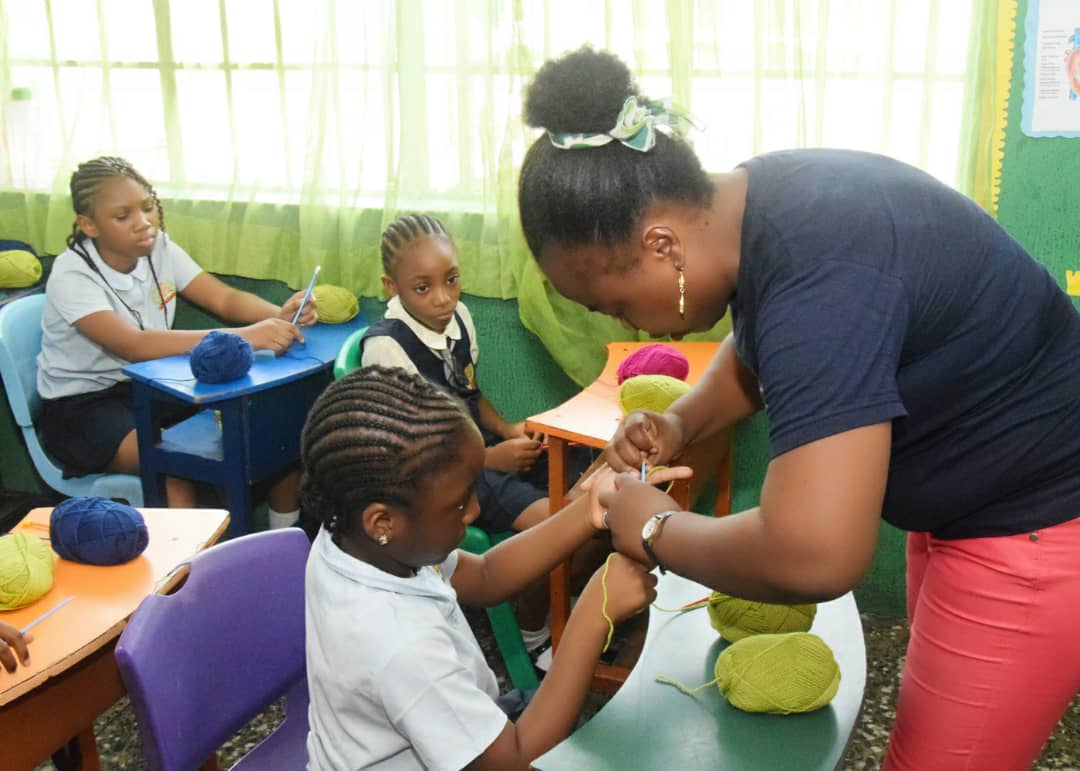
What makes Elizabeth's story useful, and not just inspiring, is how plainly practical she is. She wanted colorful, kid-friendly yarn for her students, so she spent years showing up at a Nigerian yarn factory until they made it.
She wanted to reach children beyond Nigeria, so she partnered with a yarn store in Nairobi and started there. She wanted her skill to outlive her, so she moved from teaching children to training the teachers who teach them.
One craft skill opened every door. Books, speaking, research, partnerships, a movement. None of it required her to be finished or perfect first. It required her to begin, show her work, and keep going when the going got slow.
What this means for you
If your reach feels small right now, that is not a verdict. It is a starting point. The teacher who changes a thousand lives began by holding up one teddy bear.
Here is a simple next step. Learn to make one short video that shows what you do, so the right person can find you. That is exactly what the free 3-Step Promotional Video Training walks you through, start to finish:
Make an Effective Promotional Video in 3 Easy Steps!

Find Elizabeth
Find Elizabeth Okeyele-Olatunji and Tunnizze Creation here:
Blog: Tunnizze Creation
Instagram
Facebook
LinkedIn
Her fourth book, an easy knitting book for children, is forthcoming from Fox Chapel Publishing.
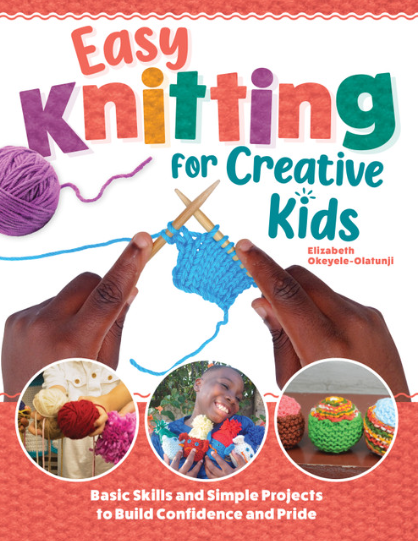
Title: Easy Knitting for Creative Kids: Basic Skills and Simple Projects to Build Confidence
Author: Elizabeth Okeyele-Olatunji
Publisher: Fox Chapel Publishing
Release date: March 9, 2027
Pre-order link: The Book Company — Pre-order paperback
Hardcover pre-order: The Book Company — Hardcover edition
Elizabeth's whole journey started with one finished piece and the courage to hold it up. Yours can too.
Never stop creating,
Lyric
FAQs
Do I need a lot of followers to teach my craft online?
No. You need to show your work in a place where the right person can find it. Elizabeth reached students in the UK, US, Canada, Australia, Greece, and Poland without a big following. A small, interested audience who can find you matters more than a large one that can’t.
What is the best platform to be found as a craft teacher?
YouTube, because it works like a search engine and content is evergreen. When you title your videos around the questions people actually type, your work keeps getting found long after you post it. Instagram and Facebook still help, but a feed can vanish with one algorithm change, which is exactly what happened to Elizabeth after twelve years. Put your teaching somewhere built for searching.
How do I start teaching my craft online if my reach feels small right now?
Begin by showing your work, not describing it. Make one short video that shows what you make and who it’s for, so the right person can find you. You don’t have to be finished or perfect first. You have to begin, show the thing, and keep going.
Categories: : Podcast