You Don't Sell Your Product. You Sell the Artist Behind It. | Lennon Bone on Creatives on Camera
 Lyric Kinard

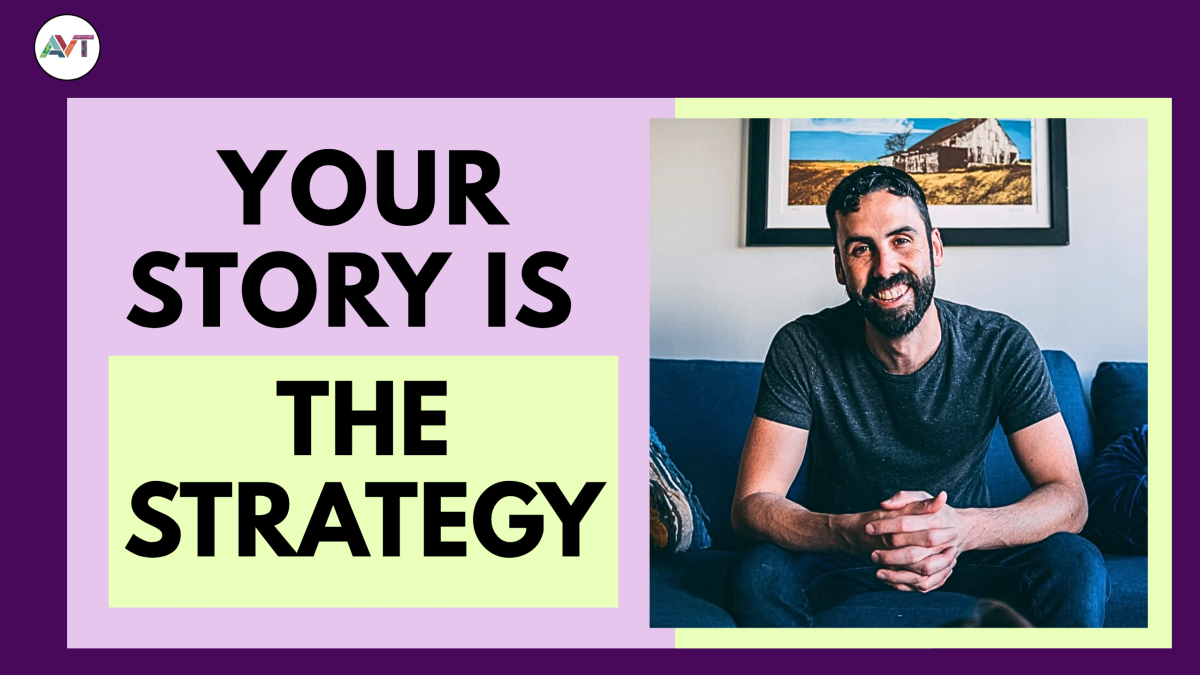
Lennon joined me to talk about what it actually takes to sell your art or your teaching online without losing yourself in the process.
There is a story you have been told about artists. It goes something like this: real artists struggle. Money and creativity do not belong in the same sentence. If you want to make a living, you have to compromise your work.
Lennon Bone has built an entire business proving that story wrong.
Lennon is the founder of Stop The Starving Artist, where he helps artists build thriving businesses by selling their work online with authenticity rather than hustle. He spent a decade as a touring drummer, playing Lollapalooza and Austin City Limits and appearing on Anthony Bourdain's No Reservations. He knows what it means to connect with a live audience. And when he stepped away from touring and rebuilt from scratch, he discovered that connection is a skill. And you can learn it.
Your Mission Comes Before Your Marketing
Lennon does not let anyone in his program skip the mission step. When someone comes to him wanting advice on their content or their strategy, the first question is always the same: what is your mission? If they cannot answer it, nothing moves forward.
A mission is not a tagline. It is the answer to a deeper question: if you took the business away, what are you really trying to give people? What are you trying to help them solve in themselves?
Lennon put it plainly in our conversation. He said he helps people with marketing, but that is not really what he does. What he actually gives people is permission. Permission to be themselves, to show up as who they are, because they deserve love and acceptance right now.
When you can answer that question for your own creative teaching business, everything else gets cleaner. The content, the offer, the marketing, all of it flows from knowing what you are actually here to do. And when that mission is clear, the people who need you can find you. The people who do not can keep scrolling. Both of those outcomes are useful.
People Don't Buy Art. They Buy the Artist.
Lennon's core belief is that your story is your competitive advantage. Not your technique. Not your niche. You.

This does not mean you have to share everything or perform vulnerability. It means you need to know what you believe and be willing to say it. Your point of view is what draws the right people in and lets the wrong ones pass by.
He talks about the concept of a villain in branding, not a person but a belief or a structure you are standing against. For Lennon, it is the myth of the starving artist itself, the cultural programming that tells creatives they have to choose between their work and their financial well-being. Everything he teaches is a direct response to that.
What is the belief at the center of your teaching? What would someone who disagreed with you push back on? That edge is often where your brand actually lives.
Start Where You Already Are
One of the most practical things Lennon said in our conversation is also the simplest: if you are already teaching in person, film what you are already doing.
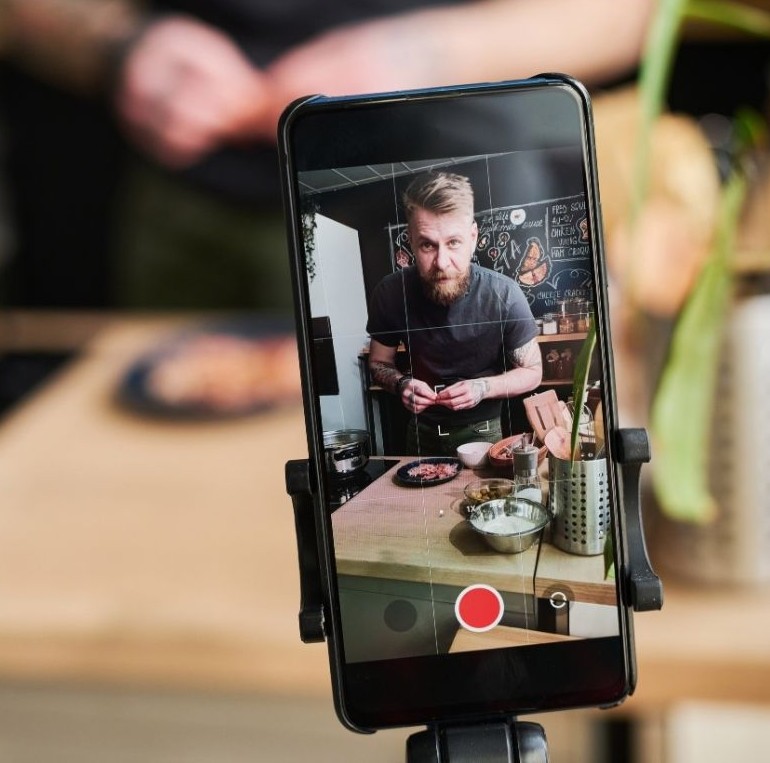
You do not need a studio. You do not need a full course built and ready to launch. You need your phone and something to hold it. Film the workshop you are already running, upload the replay, and let people buy it.
Lennon shared the story of a friend who brings in between eighty and a hundred thousand dollars a year doing exactly this, filming live workshops on site and selling replays to her existing audience. She started locally, with people who already knew her, and expanded from there by simply making the content available to download.
You already have people who want to learn from you. Start with them. Serve them well. The audience grows from that.
The Tech Question
If you have been waiting to start because your setup is not good enough, this episode has something to say to you.
What your phone can do right now is remarkable. It is a business expense. You are going to use it anyway. People are not showing up to your classes for your color accuracy or your production quality. They are showing up because they want to learn what you know.
The one thing worth getting right: find a way to hold your phone so that filming takes thirty seconds to set up and does not become a production every time. It needs to be ready to go, not in the way, and stable enough that you can just pop your phone in and record, even when you were not planning on it. That habit of ready-to-film is what builds a library of content without burning you out.
Build It as You Go
Lennon's first course was not finished before he launched it. He had two modules worth of ideas, gathered people in, and built the rest by listening to their questions each week.
It can feel like that should not work. But it does, because the people who show up already trust you. When you tell them you are building this with them and for them, that is not a weakness. It is exactly what they came for.
The first class you teach will teach you what the class needs to be. You understand the technique. The people coming in do not. Your job is not to hand them a perfect finished product. Your job is to meet them where they are and help them move forward.
Sell Your Most Expensive Thing First
This one surprised a lot of people in our conversation, and it is worth sitting with.
When you are just starting out, the instinct is to offer something small and cheap to get people in the door. Lennon pushes back on that directly. His advice: sell your most expensive thing first.
The reason is practical. Your business needs revenue. If you build a low-priced offer first and only a handful of people buy it, you end up with not enough income, not enough people in the room, and a lot of frustration for the time you are putting in. Start with the offer that will actually sustain you. Get money coming in. Then build the smaller entry point that leads back up to it.
You can always come down in price. Going up is much harder.
The Real Foundation of Self-Discipline
The most personal part of our conversation was also the most powerful.
Lennon talked about what self-discipline actually requires for creative people. And his answer was not about habits or routines or doing the thing for thirty days.
It starts with believing you are of value. Not your work. Not your course. You, as a person, right now.
When we give that power away, when we let comparison or external validation or old stories decide whether we are worth showing up for, we lose the will to do the hard things. Not because we are lazy. Because there is no foundation under us.
Lennon described three stages he has seen in himself and in the artists he works with: first awareness, then understanding, then knowing. You do not have to fully believe it yet. Just start with the awareness. You are of value. The people you serve need exactly who you are, right now, without changing anything.
That is where everything else begins.
Find Lennon Online
Find everything Lennon does at stopthestarvingartist.com and follow along on Instagram and TikTok at @stopthestarvingartist.

Before you build another offer or add another thing to your business, think hard about your WHY. This quick worksheet will help you think about what your underlying mission is.
Find Your Big WHY - Free Clarity Worksheet for Creatives
Never stop creating.
Lyric
Categories: : Podcast