Why Starting a Podcast Before You're Ready Might Be the Best Marketing Decision You Make
 Lyric Kinard
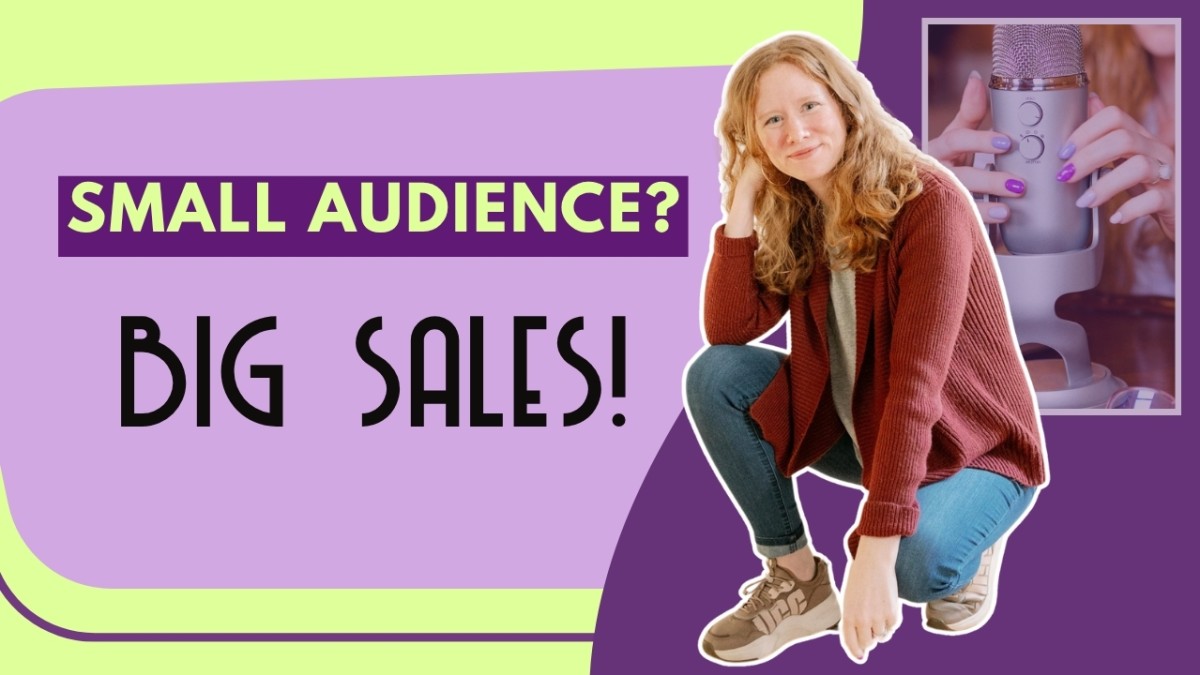
If you've ever told yourself you'll start a podcast when you have more time, better tech & bigger audience, I want you to listen to this wake-up call.
Those reasons feel practical, but they're often the very things keeping creative entrepreneurs from building one of the most valuable assets in their business.
A podcast doesn't have to become another overwhelming project
Like so many creative business owners, I had wanted to create a podcast for years.
The idea lived in the back of my mind while I wore every hat in my business. There was always something more urgent to do. Learning the technology, figuring out the workflow, designing the artwork, creating the website, writing the show notes - it all felt like too much.
Creatives on Camera wouldn't exist if I had waited until I had enough time to learn every moving part.
Instead, I found someone who walked me through the process, handled the behind-the-scenes work, and let me focus on the part I actually love: showing up and talking with amazing people.
That’s the benefit of working with someone who knows what they are doing. You aren’t starting from scratch - you have a guide that gets you THERE in a fraction of the time it would take you to figure everything out on your own.
There are more moving parts than most people realize
Launching a podcast isn't only about recording conversations.
There are hosting platforms, websites, cover art, introductions, trailers, publishing schedules, social media, newsletters, blogs, YouTube uploads, and systems that keep everything moving.
Having a process makes all the difference.
Your business should become a machine that you get to turn on, drive, and tweak here and there. Without that machine, you're scrambling all over the place.
Systems create freedom

One of the biggest surprises for me wasn't just how many steps there were.
It was how much easier those steps became once they were organized.
Episodes were tracked on spreadsheets. Tasks were spread out over time instead of piling up all at once. Deadlines were flexible without becoming overwhelming.
Some weeks I reviewed everything carefully. Other weeks I simply approved it because life was busy.
The system kept moving.
If you're creating your own podcast, build those systems from the beginning.
Use whatever project management tool works for you. Put every single task into your workflow - not just "record" and "publish," but every little step that happens between those two points.
Then assign due dates.
Batch several episodes at once whenever possible.
Don't even give yourself the option to get behind.
Batch now. Thank yourself later.
One of the best pieces of podcast advice is surprisingly simple.
Record several episodes before your first one ever goes live.

Having episodes ready before launch means you're present with your audience instead of immediately worrying about creating next week's content.
Batching also gives you room for real life.
You can attend conferences, interview several guests in one trip, or record multiple conversations while you're in creative mode. I often record six months worth of interviews within two months then I can sit back and relax.
Later, everything else can happen one step at a time.
Why have a podcast at all?
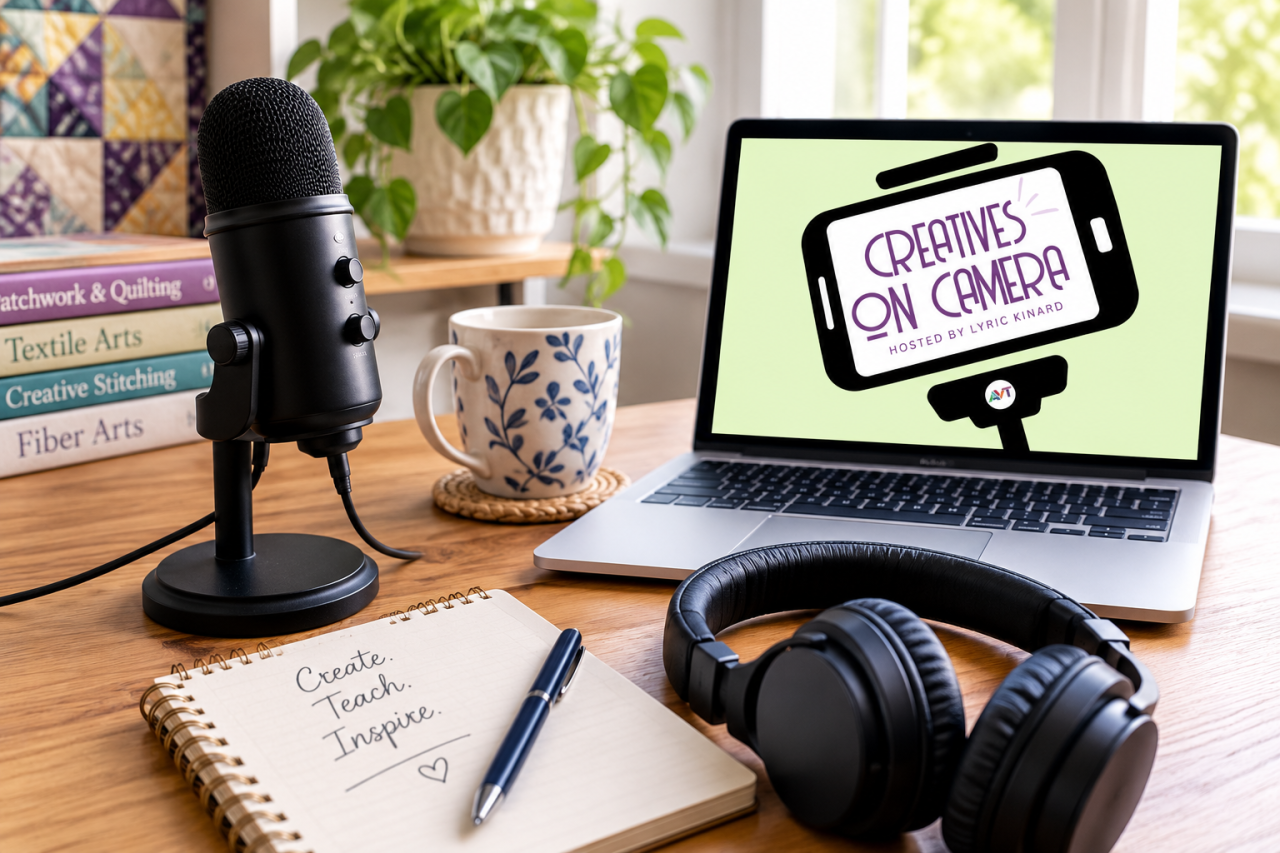
For many creative entrepreneurs, YouTube feels like the obvious choice (I won’t argue with that - it is!)
For others, social media takes most of the attention.
But a podcast offers something different.
It creates a more intimate relationship.
Listeners invite you into their lives week after week. You're in their ears while they drive, sew, quilt, cook, create, or walk the dog.
That kind of attention is rare.
A podcast has the potential to become the top of your marketing funnel.
People discover you through conversations. They get to know you. They begin trusting you. They learn how you teach, how you think, and what you value.
From there, it becomes much easier to invite them into your community, your membership, your courses, or your workshops.
One recording can become your entire marketing system
Your podcast doesn't need to stand alone.
One conversation can become:
A YouTube video
A blog post
A newsletter
Short video clips
Social media posts
Sales page testimonials
Evergreen marketing content
Instead of creating something new for every platform, you're allowing one thoughtful conversation to flow into many places.
That's one of the biggest strengths of podcasting.
You're creating long-form content that continues working long after you hit publish.
Your podcast can support every launch

One of the most practical advantages of podcasting is how naturally it supports your business.
You can weave your launches into your episodes.
You can share client stories.
You can invite listeners to your latest workshop.
You can point people toward your lead magnet.
With dynamic podcast advertising, you can even update promotional messages across your entire back catalog without rerecording every episode.
Someone listening to episode two can hear the same current invitation as someone listening to episode sixty.
Your older content continues working for today's business.
Give generously
A question creative teachers ask all the time is:
"If I give away too much for free, why would anyone buy my class?"
The answer surprised me.
You can never give away too much.
Your teaching is only the top layer.
As people listen, they begin building a relationship with you.
They don't simply want information.
They want more of you.
They want your community.
They want your guidance.
They want the experience of learning with you.
People can tell when you're holding back.
They can also tell when you're generous.
Generosity builds trust.
Trust builds community.
Community becomes the foundation for a sustainable creative business.
Track what matters
Numbers shouldn't become the driving force behind your business.
But they can teach you.
Track downloads, listener retention, and watch time if you're publishing on YouTube.
Track where people came from when they download your lead magnet or join your membership.
These numbers simply help you understand what your audience finds valuable.
They help you make more informed decisions. Sometimes they'll even remind you that something you worried nobody would care about is actually becoming one of your strongest pieces of content.
Protect your time
Every new commitment deserves an honest look at your calendar.
How much time can you actually give this project?
What other priorities matter?
When will you take breaks?
If December is family time, work ahead in September.
If travel seasons are busy, batch recordings before you leave.
Protecting your time protects your creativity.
Your business needs to support both your income and your life.
Consistency matters more than frequency
Weekly.
Every other week.
Monthly.
Seasonally.
Any of those can work.
The important part is consistency.
Your audience simply wants to know when they can expect to hear from you again.
Build a schedule that fits your life, then keep showing up.
Don't wait for a bigger audience
One objection comes up again and again.
"I only have 500 followers."
"I only have 30 subscribers."
"My audience isn't big enough yet."
Start anyway.
If twenty-five people listen to every episode, that's twenty-five people choosing to spend an hour with you.
That's powerful.
Those listeners become your community.
They grow with you.
Some may eventually invest in your courses, coaching, workshops, or memberships—not because they stumbled across one social media post, but because they've spent months getting to know you through your voice.
You don't build the audience first and then start delivering.
You start delivering.
That's how the audience grows.
Closing Thoughts
Podcasting has become one of my favorite parts of my business because it lets me do what I love most. I get to talk to interesting people, learn from them, and share those conversations with a creative community that wants to keep growing.
It's good for my business.
More importantly, it's aligned with who I am, what I value, and what brings me joy.
When your business supports both your people and your own creative life, it becomes something you can keep showing up for over the long term.
You start where you are.
You keep delivering.
And as you deliver, your business grows.
So if a small, engaged audience is enough to make sales on your podcast, the same is true for your email list, you don't need thousands of subscribers, just the right hundred people. I wrote a free guide on exactly how to get there, Your First 100 Subscribers, grab it in the show notes.
Grab it HERE
Categories: : Podcast