The Teacher Your Students Need Might Not Be the World's Greatest Expert
 Lyric Kinard
Discover why artists and creative teachers don't need to be master experts to teach online and how real student feedback builds better courses.
There is more information available today than at any other point in history. You can learn almost anything online. Yet people still seek out teachers.
Why?
Because information and teaching are not the same thing.
That truth sits at the center of a conversation with calligrapher, surface pattern designer, and educator Sonia Pal. Her story is one that many artists, makers, and creative teachers will recognize. She did not begin as an artist. She began as a physician working in clinical research, leading teams across the globe and managing highly complex projects. Then one day, during the pandemic, she picked up a calligraphy pen.
What happened next changed everything.
Topics:
- The founding member launch model: why teaching live first builds a better recorded course
- Low-ticket vs. free lead magnets: what the completion rate data showed
- Structuring lessons around quick wins so beginners see real progress early
- Simple, permanent recording setups, and why they matter more than fancy gear
- Marketing by meeting people where they are and showing them a solution exists
- Transferable skills: why your previous career makes you a stronger teacher
- The commitment principle: students who pay show up differently than those who don't
About Sonia Pal:
Sonia is a calligraphy artist and educator behind ASquareWatermelon, where she focuses on helping beginners learn modern brush pen calligraphy without overwhelm. After struggling through tutorials and scattered practice herself, she developed a structured, beginner-first approach that prioritizes clarity, sequence, and real progress over perfection. Her work combines calligraphy, design, and intentional creative practice, with a focus on helping learners build both skill and confidence from the ground up.
Connect with Sonia:
Episode Resources:
- North Carolina Museum of Art
- Circle - The Complete Community Platform
****
Thinking about teaching online? Before you spend months building a course, download my free checklist: 12 Things to Validate Before You Build Your Course. It will help you determine whether your workshop idea is ready to launch before you create a single lesson.
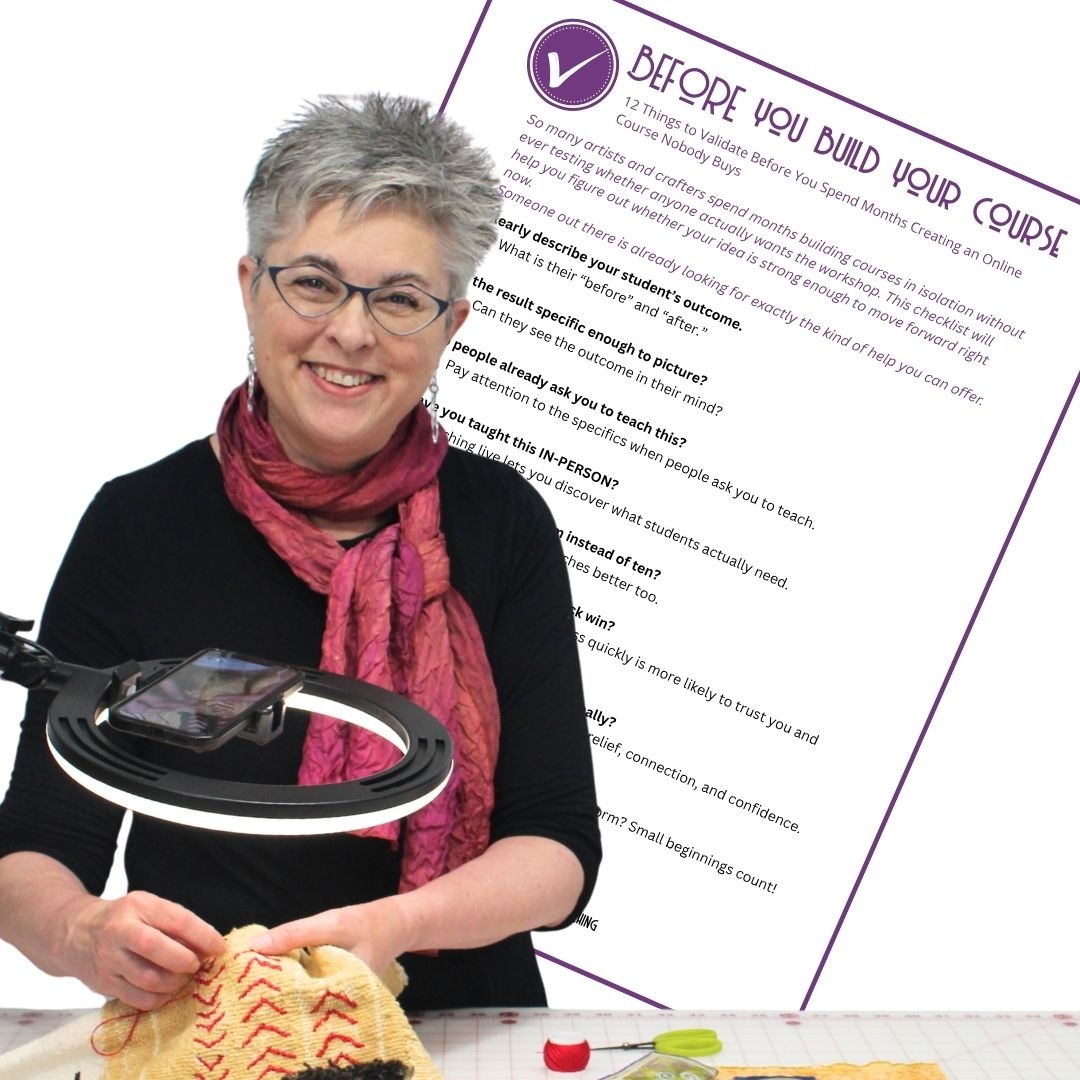
12 Questions before you build your course
****
Once Upon a Pandemic
As Sonia tells it, "Once upon a pandemic, I fell into the calligraphy rabbit hole and emerged as a surface designer."
Like many people, she was living through spreadsheets, constant notifications, and the endless demands of work. She needed something different. She needed calm.
Calligraphy became that pause.
What began as a creative outlet soon became something much deeper. Through the process of learning a new skill, Sonia discovered how difficult it can be for beginners to find the right guidance.
She spent nearly a year trying to make the art form stick. She watched tutorials. She took classes. She signed up for programs that were either too advanced or too basic. She felt overwhelmed by the explosion of information available online.
And she realized she wasn't alone.
There were other people just like her—people who wanted to learn but didn't know where to start, people who were drowning in information without making meaningful progress.
The Difference Between an Expert and a Teacher
One of the most powerful moments in the conversation comes when the distinction between expertise and teaching becomes clear.
Sonia openly acknowledges that she is not the scribe to the Queen. She is not a traditionally trained artist. She did not attend art school.
What she does have is something many beginners desperately need.
She remembers what it feels like to be one.
She remembers the confusion. The overwhelm. The frustration of trying to sort through endless resources without knowing which next step matters most.
Many aspiring teachers believe they need decades of experience before they can teach.
But students do not always need the world's greatest expert.
Often they need someone who remembers what it was like to struggle.
Someone who can guide them through the exact obstacles they are facing right now.
That perspective became Sonia's mission.
She realized that her experiences, mistakes, and discoveries had value because they could help someone else move forward more easily than she did.
Why Creativity Matters More Than Ever
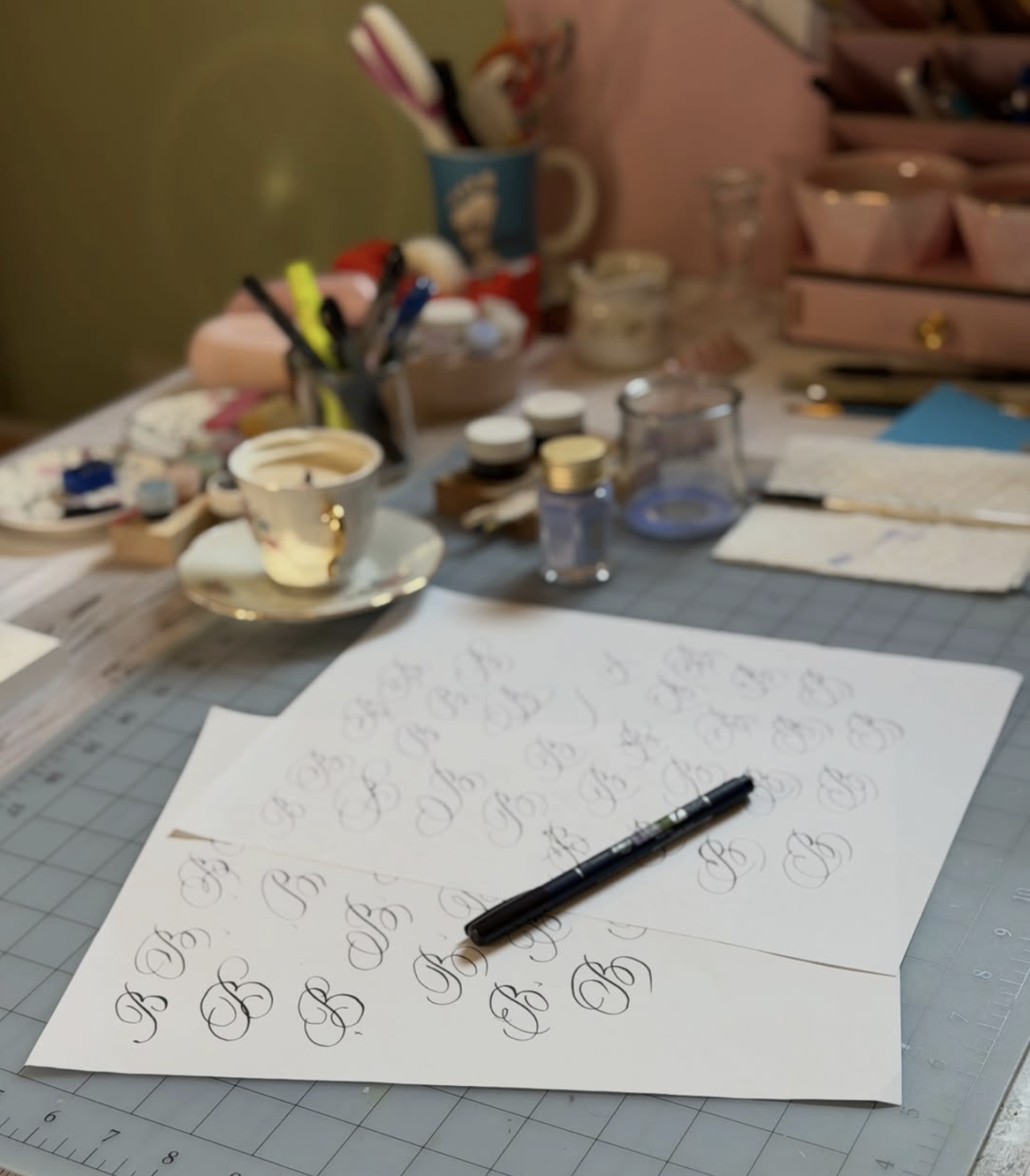
For Sonia, calligraphy became more than a skill.
It became a way of reconnecting with herself.
After years of balancing a demanding career, extensive travel, and raising children, she found herself asking a simple question:
"When was the last time I actually did something for fun for me?"
It's a question many creative people rarely stop to consider.
We live in a culture focused on productivity, outcomes, efficiency, and measurable results. Everything seems to require a purpose.
But creativity offers something different.
It allows us to slow down.
It gives us space to think.
It helps us reconnect with a part of ourselves that often gets buried beneath responsibilities and expectations.
As Sonia explains, creativity is part of our innate nature as human beings. No matter how advanced technology becomes, people will continue to need opportunities to make things with their hands, create beauty, and engage with the world in meaningful ways.
Why Information Alone Isn't Enough
One of the biggest misconceptions about online education is that access to information automatically creates learning.
If that were true, everyone who watched piano tutorials online would become an accomplished pianist.
But that's not how learning works.
Instructors exist for a reason.
Teachers provide guidance.
Teachers provide structure.
Teachers provide context.
Most importantly, teachers help students avoid getting stuck.
Sonia experienced this firsthand while learning calligraphy. She found countless resources but struggled to find a pathway that made learning stick.
That realization shaped the educational approach she now brings to her own students.
Her goal is not simply to help people start learning calligraphy.
Her goal is to help them develop a lifelong skill they can continue using long after the course is finished.
Taking Creative Education Online
For many creative educators, teaching locally eventually creates a ceiling.
You can only reach so many students in a single geographic area.
You can only teach so many workshops.
You can only be in one place at a time.
Moving online changes that equation.
Sonia recognized that online learning offers students flexibility that in-person teaching often cannot.
Students can learn at their own pace.
They can watch lessons at midnight or before breakfast.
They can pause, replay, and revisit concepts as often as needed.
Most importantly, online education allows creative teachers to reach and serve far more people than local teaching alone.
Why Founding Members Build Better Courses
Many educators believe they must create the perfect course before opening enrollment.
Sonia is taking a different approach.
Rather than building everything in isolation, she is launching with a founding member cohort.
The reason is simple.
Students ask questions that teachers never think to ask.
A teacher may believe one lesson is clear while students struggle with something entirely different.
Those questions provide invaluable insight.
During a recent in-person class, Sonia planned multiple projects because she assumed students wanted to move quickly.
Instead, the students told her to slow down.
They preferred one project completed well rather than several projects completed quickly.
That feedback immediately changed how she taught.
Those are the kinds of discoveries that shape stronger educational experiences.
By working with founding members first, she can refine and improve the program based on real student needs before creating the final on-demand version.
Perfection Is a Myth
Another recurring theme throughout the conversation is perfectionism.
Many creative educators delay launching because they believe they need one more certification, one more piece of equipment, one more revision, or one more year of experience.
Sonia has a different perspective.
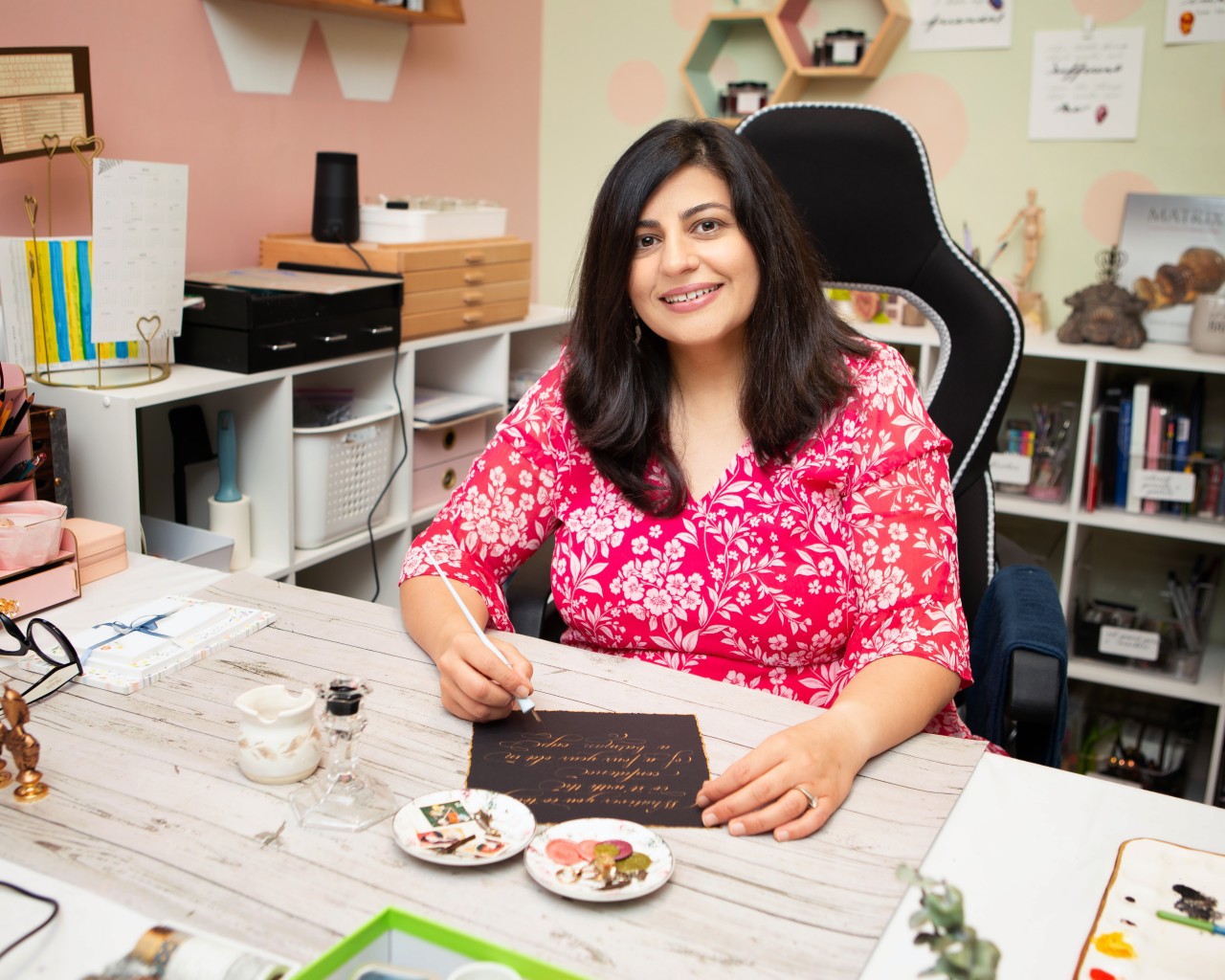
"Perfection is a myth. I eat it for breakfast every day."
The first attempt may not be perfect.
Neither will the second.
Or the third.
But growth happens through repetition, reflection, and action.
Waiting for perfection often means never starting at all.
The same principle applies to teaching online.
Students benefit from teachers who are willing to begin, learn, adjust, and improve.
Not from teachers who stay hidden until everything feels flawless.
Because everything never feels flawless.
Simple Solutions Often Work Best
The philosophy behind Sonia's business name captures much of her teaching approach.
A Square Watermelon comes from the story of Japanese farmers solving a storage problem by placing a box around a growing watermelon rather than pursuing complex solutions.
The lesson?
Sometimes the simplest solution is the right one.
That mindset appears throughout her approach to teaching and technology.
You do not need expensive equipment to start teaching online.
You do not need a professional studio.
You do not need a complicated setup.
Sonia currently records using an iPhone, natural light, and a simple workspace.
The goal is not perfection.
The goal is helping students learn.
The Students Are Waiting
There are students who need the world's greatest expert.
But there are also students who need a guide who understands exactly where they are today.
Someone who remembers the confusion of being a beginner.
Someone who can simplify the path.
Someone who can slow down when necessary.
Someone who can help learning stick.
That is the kind of teacher Sonia Pal has become.
And for many creative educators considering their own transition into online teaching, her story is an important reminder:
You do not have to know everything before you begin.
You simply have to know enough to help the person who is one step behind you.
As Sonia discovered, that may be exactly what your future students have been looking for all along.
Thinking about teaching online? Before you spend months building a course, download my free checklist: 12 Things to Validate Before You Build Your Course. It will help you determine whether your workshop idea is ready to launch before you create a single lesson.
12 Questions before you build your course
We also invite you to join the Academy for Virtual Teaching's free membership, a community of other art and craft business owners using video to reach their audiences.
And our ongoing AVT coaching and training sessions are especially valuable for educators preparing to grow their audience and online programs.
Categories: : Podcast